FIELD FOLIO / US beauty and cosmetics · facial peels · snapshot 14 November 2026
A 20-row, two-database panel with the three exfoliants at rows 6, 14 and 17, four essential oils closing the declaration, a pack that says 210 ml against a 170 ml specification, and 10,727 ratings.
Reading. This is the best-evidenced formula in the batch: two independent ingredient databases agree 20 of 20, in the same order, across five separate records, and the panel genuinely supports the enzyme plus LHA positioning - papain at row 14, capryloyl salicylic acid at 17, betaine salicylate at 6. The weaknesses are in the copy, not the chemistry: the pack's No Irritation, No Dryness line sits against four essential oils at rows 15-20, a 57 percent positive skin-irritation aspect over 205 mentions, and a database warning that the formula may worsen irritation. The pack prints 210ML while the specification table says 170 ml, a 23.5 percent gap that changes the per-millilitre price.
At a glance
- Capture price
- $22.44 for 100 pads ($0.22 per pad)
- List price / saving
- $26.40 / 15% off
- Subscribe and Save
- $21.32 (19% off)
- Rating
- 4.5 / 5 across 10,727 ratings
- Declared materials
- 20 - two databases agree 20 of 20
- Exfoliants
- Betaine Salicylate #6, Papain #14, LHA #17
- Claim badges
- 7 hold, 5 fail
- Price record
- Monitored since Mar 27, 2026 (8 months)
01 / PRODUCT INFORMATION
Product information
MEDIHEAL Phyto-Enzyme Clear Peeling Toner Pads are 100 dual-sided, pre-saturated pads sold for face and body use. The listing leads with a 99% pure plant enzyme (papaya) plus LHA, two single-use clinical percentages, and an embossed-side / soft-side pad construction. The pack shot prints 210ML 100PADS, PURITY 99% PAPAIN and MICRO-EMBOSSED SHEETS, and a second image shows this as an UPGRADED renewal of an earlier Phyto-Enzyme Peeling Pad. A comparison panel markets the product as a one-step peel for blackheads and whiteheads with No Irritation, No Dryness. This folio checks each of those statements against a 20-row declaration that two databases agree on.
| Field | Value |
|---|---|
| Brand | MEDIHEAL |
| Item form | Pad |
| Skin type | All |
| Product benefits | Exfoliation |
| Recommended uses | Facial Cleansing, Targeted Skincare Treatment |
| Item volume (specification) | 170 ml |
| Item volume (on pack) | 210 ml / 100 pads |
| Unit count | 100 Count |
| Package dimensions | 3.74 x 3.94 x 3.35 inches; 14.46 ounces |
| Item model number | MDH_TP_ALLV |
| Manufacturer | Mediheal |
| ASIN | B0FWR99WNV |
| Best Sellers Rank | #1,844 in Beauty & Personal Care; #43 in Facial Peels |
| Sold by | Mediheal Cos |
| Availability | In Stock, delivery to New York 10001 |
How the brand describes it
[SOFT EXFOLIATION] Phyto-enzyme peeling pads gently exfoliate to help remove dead skin cells, pore impurities, and excess oil, clinically tested to improve the appearance of skin exfoliation by 96.93% and pore cleansing by 96.49%.
[FACE & BODY USE] Multi-use exfoliating pads suitable for both face and body, ideal for rough areas such as elbows, knees, and other dry or textured skin.
[99% PURE PLANT ENZYME] Formulated with natural papaya enzyme and LHA to provide effective yet gentle exfoliation while helping cleanse pores.
[DUAL-SIDED PADS] Features an embossed side to exfoliate and a soft side to smooth and refine skin texture for comfortable daily use.
[HOW TO USE] After cleansing, gently swipe the embossed side across skin, then flip to the soft side to refine skin texture. Pads can also be placed on targeted areas for a quick mask.
Three of the five bullets are chemical claims and all three are substantiated: papain (14), capryloyl salicylic acid (17) and betaine salicylate (6) really are the exfoliating system, and they sit in the first 17 of 20 rows - far more convincing than the acid placement in the other products in this batch. Two claims need qualification. 99% pure describes the purity of the enzyme ingredient, not its concentration; the database labels the row Papain 100ppm, i.e. 0.01% of the formula, so purity and dose are different things and the copy does not distinguish them. The two clinical percentages are printed to two decimals with no panel size, duration, or method on the listing, so they are reproduced here as claims, not as measurements. The marketing panel's No Irritation, No Dryness line is the one claim the formula and the buyer data both push back on.
02 / RATING AND BUYER SENTIMENT
Product rating and buyer sentiment
This is the largest rating base in the batch at 10,727 ratings, 4.5 out of 5, with 77 percent at five stars and only 5 percent at one and two stars combined. With a base this size the distribution is stable, and the eight aspect counts run into the hundreds, which makes the sentiment layer here far more informative than on the other two products.
| Star band | Ratings | Share of total |
|---|---|---|
| 5 star | 8,259 | 77% |
| 4 star | 1,287 | 12% |
| 3 star | 643 | 6% |
| 2 star | 214 | 2% |
| 1 star | 321 | 3% |
What buyers talk about
Customers find these toner pads effective and moisturizing, leaving skin feeling hydrated and smooth, with one noting they're gentle enough for textured skin. The product makes skin look bright and glowy, evens out tone, and customers appreciate its lovely smell. While many find it suitable for sensitive skin, some report breakouts. Customers consider it a great addition to their skincare routine and find it convenient to use.
Volume makes this the most legible sentiment set in the batch. Effectiveness is 84 percent positive over 903 mentions and moisturizing 80 percent over 625; those are not small-sample artefacts. Gentleness scores 93 percent on 281 mentions, which looks like a clean win - until it is read beside skin irritation at 57 percent positive over 205 mentions, the weakest aspect by a wide margin. The two are not contradictory: buyers can find the pad physically gentle while a minority reacts to the formula. That 57 percent is the number that sits uneasily beside the pack's No Irritation, No Dryness line and the database's May Worsen Irritation warning. Fragrance at 70 percent over 127 mentions is the second weakest aspect, consistent with four essential oils in the last six rows.
| Aspect | Mentions | Positive | Negative | Positive share |
|---|---|---|---|---|
| Effectiveness | 903 | 760 | 143 | 84% |
| Moisturizing | 625 | 501 | 124 | 80% |
| Gentleness | 281 | 262 | 19 | 93% |
| Skin Appearance | 206 | 170 | 36 | 83% |
| Skin Irritation | 205 | 117 | 88 | 57% |
| Fragrance | 127 | 89 | 38 | 70% |
| Routine | 123 | 118 | 5 | 96% |
| Ease Of Use | 99 | 80 | 19 | 81% |
No individual review bodies or buyer photographs rendered on the retail page in this capture, so no reviewer is named, quoted, or identified. The qualitative layer is the retailer's own aggregate buyer summary and its aspect counts only. This is a snapshot: rating counts, rank and price move between captures.
03 / INGREDIENTS AND FORMULA AUDIT
Product ingredients
The strongest evidence set in the batch. The comparison database holds five records for this product line spanning 2024 and 2025; the two most recent, one labelled Official Site and one carrying a product thumbnail, both return the same 20 materials in the same order. The second database returns exactly 20 rows in that identical order, with only naming differences (Papain 100ppm versus Papain, Pogostemon Cablin Oil versus Leaf Oil). The retail listing publishes no Ingredients field, so the merged panel is two-channel rather than three-channel, but the agreement is row-for-row and includes the numeric safety grades. The formula is compact and purposeful: six solvent and conditioning rows, a three-part exfoliating system at 6, 14 and 17, four pH and chelator rows, and four essential oils closing the declaration.
What's inside
| Claim | Verdict | Database note |
|---|---|---|
| Alcohol-free | YES | No drying alcohol declared |
| Paraben-free | YES | No paraben preservative declared |
| Silicone-free | YES | No silicone declared |
| Sulfate-free | YES | No sulfate surfactant declared |
| Fungal-acne-safe | YES | Database badge as printed |
| Pore-clogger-free | YES | This does not guarantee the product will not clog pores; individual reactions and the finished formulation matter |
| Reef-safe | YES | Database badge as printed |
| EU-allergen-free | NO | Not EU Allergen Free - four essential oils in rows 15-20 |
| Fragrance-free | NO | Not Fragrance-free - four essential oils and no Parfum entry |
| Oil-free | NO | Not Oil Free - four essential oils close the declaration |
| Cruelty-free | NO | Not Cruelty-free |
| Vegan | NO | Not Vegan |
Seven of twelve badges hold and five fail. The failures are coherent rather than scattered: EU-allergen-free, fragrance-free and oil-free all fail on the same four essential oils (patchouli 15, cedarwood 16, mugwort 18, corn mint 20), and the database adds Not Cruelty-free and Not Vegan. No Parfum entry is declared, so as with the Bliss pads the fragrance flag rests on essential oils that function as fragrance components. Pore-clogger-free does hold, but the database attaches an explicit caveat that this does not guarantee the finished formulation will not clog pores - a caveat worth keeping with the verdict.
Composition by functional class
| Functional class | Rows | Share | Declaration positions |
|---|---|---|---|
| Solvents, humectants and conditioning | 7 | 35.0% | #1, #2, #3, #4, #5, #7, #19 |
| Exfoliating actives | 3 | 15.0% | #6, #14, #17 |
| pH adjusters and chelators | 4 | 20.0% | #9, #11, #12, #13 |
| Antioxidants and emulsifiers | 2 | 10.0% | #8, #10 |
| Essential oils and fragrance | 4 | 20.0% | #15, #16, #18, #20 |
Composition ladders
Solvents, humectants and conditioning
Exfoliating actives
pH adjusters and chelators
Antioxidants and emulsifiers
Essential oils and fragrance
Classification by level
Every row was assigned a caution level from the inverse safety grade, where 1 is safest and higher numbers mean more caution is needed; ranges are classified on their upper bound. Eleven rows sit at the safest level and four more in the 1-2 band, so 15 of 20 rows are at the low end. Two rows are unrated (mugwort and corn mint oils) and three reach 3 or above: betaine (1-4), tromethamine (1-3) and patchouli oil (3). No row reaches 5, which makes this the mildest graded panel in the batch on the community scale.
| Level | Rows | Share |
|---|---|---|
| Level 1 - safest | 11 | 55.0% |
| Level 1-2 | 4 | 20.0% |
| Level 2 | 1 | 5.0% |
| Level 3-4 | 2 | 10.0% |
| Not rated | 2 | 10.0% |
Formula architecture
The three exfoliating actives are distributed across the declaration rather than buried: betaine salicylate at 6, papain at 14, capryloyl salicylic acid at 17. That is a real three-mechanism system - a BHA, a proteolytic enzyme and a lipohydroxy acid - and it is the reason the product's central claim holds. The pH and chelator block (9, 11, 12, 13) sits directly around the enzyme, which is where a papain formula needs its buffering. The four essential oils are the last word at 15, 16, 18 and 20, and they carry most of the claim and sentiment cost.
Claim audit
The three chemical claims are all substantiated in the first 17 rows, which is the opposite of the deep-tail pattern in the other products here. Purity versus dose is the one genuine ambiguity: 99% pure papain and 100 ppm papain can both be true because they describe different things. The clinical percentages have no supporting method on the listing and the no-irritation line fails against both the essential oils and a 57 percent irritation aspect over 205 mentions.
| Claim as printed | Substantiated by | Row | Verdict |
|---|---|---|---|
| 99% pure plant enzyme | Papain at 100 ppm | #14 | Partly |
| Natural papaya enzyme | Papain | #14 | Holds |
| LHA (lipohydroxy acid) | Capryloyl Salicylic Acid | #17 | Holds |
| Beta-hydroxy exfoliation | Betaine Salicylate | #6 | Holds |
| 96.93% exfoliation / 96.49% pore cleansing | No panel measurement published | - | Partly |
| No irritation, no dryness (pack) | Four essential oils, skin irritation 57% | #15-20 | Fails |
| Micro-embossed dual-sided pads | Pad construction, not a formula claim | - | Not testable |
Full declaration
The complete merged 20-row declaration in the order both databases print it. Naming differences only: Papain 100ppm / Papain, Pogostemon Cablin Oil / Leaf Oil, and a handful of capitalisation changes. The retail listing publishes no Ingredients field, so no on-page declaration is available to compare against; the two database records are the complete evidence.
All 20 declared materials, in order
| # | Material | Function / class | Rating |
|---|---|---|---|
| 1 | Water | Solvent / base | Safety 1 |
| 2 | Dipropylene Glycol | Solvent, moisturizer | Safety 1 |
| 3 | Glycerin | Humectant, skin conditioning | Acne 0, Irritant 0, Safety 1-2 |
| 4 | Butylene Glycol | Humectant, fragrance function | Acne 1, Irritant 0, Safety 1 |
| 5 | 1,2-Hexanediol | Solvent | Safety 1 |
| 6 | Betaine Salicylate | BHA / antimicrobial exfoliant | Safety 1 |
| 7 | Betaine | Humectant, viscosity control | Safety 1-4 |
| 8 | Hydroxyacetophenone | Antioxidant | Safety 1 |
| 9 | Tromethamine | pH adjuster | Safety 1-3 |
| 10 | Octyldodeceth-16 | Emulsifier | Safety 1-2 |
| 11 | Sodium Citrate | pH adjuster, antioxidant | Safety 1 |
| 12 | Citric Acid | pH adjuster | Safety 1-2 |
| 13 | Disodium EDTA | Chelating / viscosity control | Safety 2 |
| 14 | Papain (100 ppm) | Papaya enzyme exfoliant | Acne 0, Irritant 0-3, Safety 1-2 |
| 15 | Pogostemon Cablin (Patchouli) Oil | Essential oil | Safety 3 |
| 16 | Juniperus Virginiana (Cedarwood) Oil | Essential oil / masking | Safety 1 |
| 17 | Capryloyl Salicylic Acid | LHA exfoliant, skin conditioning | Safety 1 |
| 18 | Artemisia Vulgaris (Mugwort) Oil | Fragrance, skin conditioning | Not rated |
| 19 | Beta-Glucan | Anti-allergic, skin conditioning | Safety 1 |
| 20 | Mentha Arvensis (Corn Mint) Leaf Oil | Essential oil / masking | Not rated |
Safety is an inverse grade (1 is safest); acne risk and irritant are read low-is-safer. Ranges mean sources disagree and the upper bound is used for classification. Not rated is missing data, not zero. Database ratings are community reference material and must not be turned into a compliance or dermatological conclusion. The pack describes this as a renewal, so a future formula revision is possible.
04 / PRICE AND PRICE HISTORY
Product price
The buy box is $22.44, 15 percent below a $26.40 list price, with a 19 percent Subscribe and Save option at $21.32 and a unit price of $0.22 per pad. The tracker has no first-party Amazon row at all. On the third-party new channel it reports an eight-month record beginning Mar 27, 2026, with a $17.90 low on that first day, a $26.40 high on Oct 29, 2026, a $20.90 average, and a current value of $26.40 dated Oct 29, 2026 - 16 days before capture. That current equals the all-time high and the Amazon list price. The live buy box has already moved 15 percent below it, so the tracker's current is a stale peak, not a live quote.
| Price type | Lowest ever | Highest ever | Current | Average |
|---|---|---|---|---|
| Amazon | no data | no data | no data | no data |
| 3rd Party New | $17.90 (Mar 27, 2026) | $26.40 (Oct 29, 2026) | $26.40 (Oct 29, 2026) | $20.90 |
| 3rd Party Used | no data | no data | no data | no data |
Price levels compared
Every published price level is placed on one axis so the distances are visible: the capture price, the tracker's list price, each channel's all-time low, high, current and average, and the subscribe-and-save price. This is a comparison of levels, not a time series.
Dated extremes and the trend they imply
Three dated observations exist. The record opens at its $17.90 low on Mar 27, 2026 - the first day of monitoring, a launch-price pattern - reaches $26.40 on Oct 29, 2026, and the live buy box on Nov 14, 2026 is $22.44 after the 15 percent list-price discount. The line joins only those points; no observation-level history is published, so the shape between them is unknown. Dashed reference lines carry the $22.44 capture price and the $20.90 third-party average.
Distance from today's buy box
Today's $22.44 sits between the $20.90 all-time average (-6.9 percent) and the $26.40 ceiling (+17.6 percent), which is a healthier position than the other two products in this batch. The Subscribe and Save option at $21.32 comes within 2 percent of the tracked average. The $26.40 figure appears three times on this chart - as list price, all-time high and stale tracker current - which is the clearest sign that the current column is a dated observation rather than a live quote.
| Reference level | Value | Difference vs today | Percent |
|---|---|---|---|
| Amazon list price | $26.40 | +$3.96 | +17.6% |
| 3rd party all-time average | $20.90 | -$1.54 | -6.9% |
| 3rd party highest ever | $26.40 | +$3.96 | +17.6% |
| 3rd party lowest ever | $17.90 | -$4.54 | -20.2% |
| Subscribe and Save | $21.32 | -$1.12 | -5.0% |
| 3rd party current (stale) | $26.40 | +$3.96 | +17.6% |
This is the only product in the batch selling below its own list price at capture, and the only one with a functioning Subscribe and Save discount of 19 percent. But the per-volume picture depends on which fill you believe: $22.44 over the listed 170 ml is $0.132 per ml, while over the 210 ml printed on the pack it is $0.107 per ml - a 23.5 percent difference. The specification table and the pack disagree, and neither the listing nor the tracker resolves it. Any cost-per-ml comparison should state which figure it uses.
05 / PRODUCT PHOTOGRAPHS
Product images
Three listing photographs, shown three per row. The first carries the 210ML 100PADS and PURITY 99% PAPAIN text, the second shows the upgrade from the original Phyto-Enzyme Peeling Pad, and the third carries the No Irritation, No Dryness line audited above.
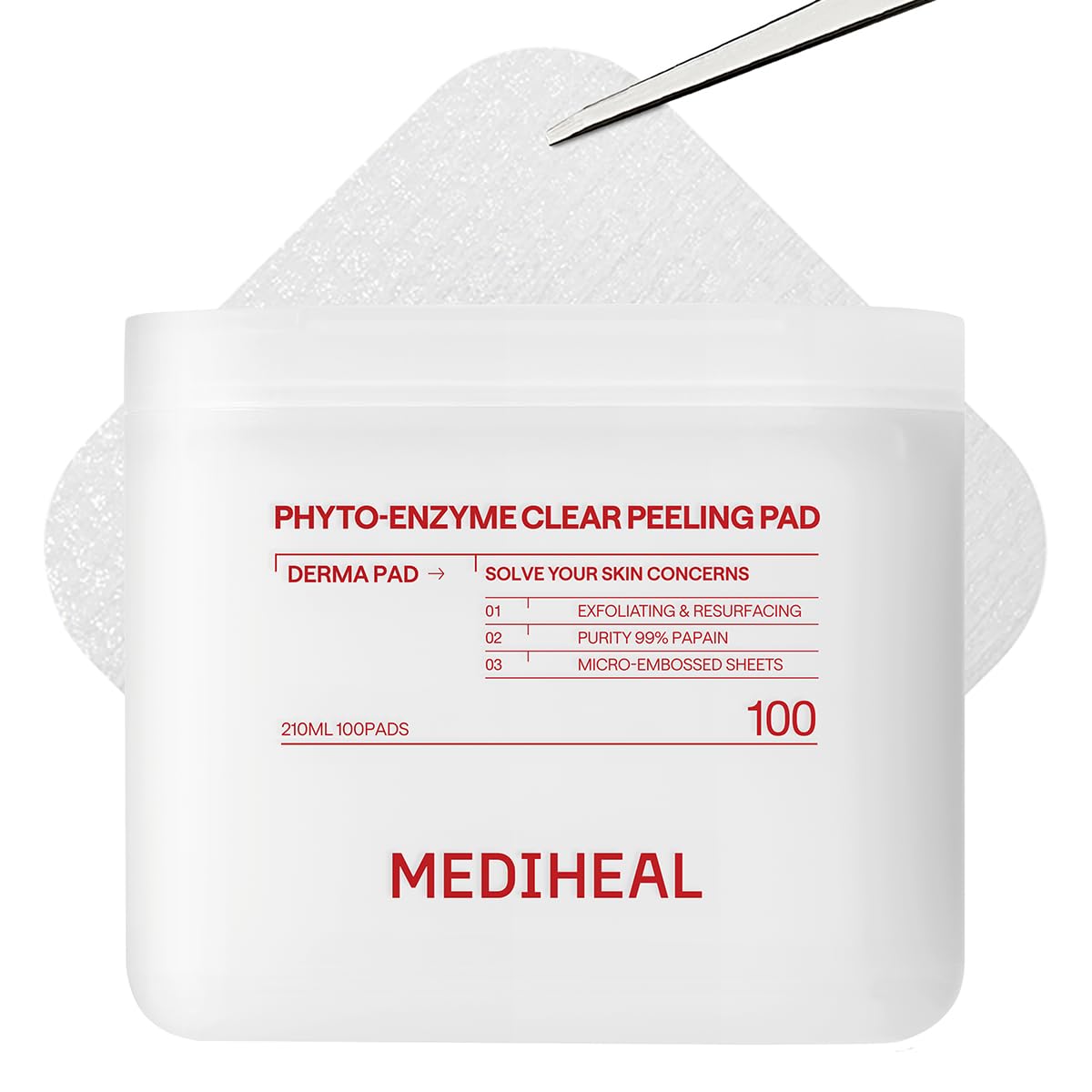 Plate 1 · Source: Amazon | 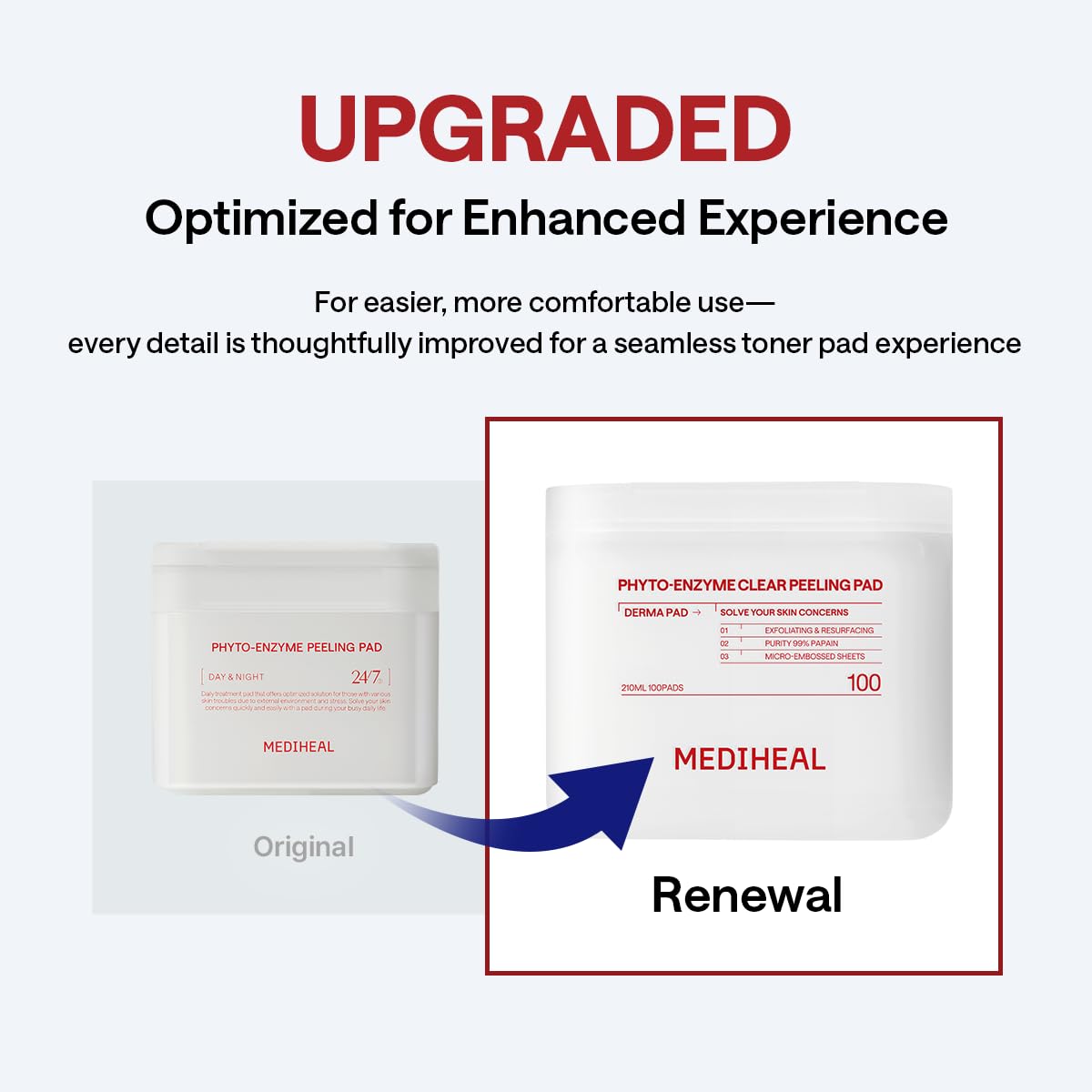 Plate 2 · Source: Amazon | 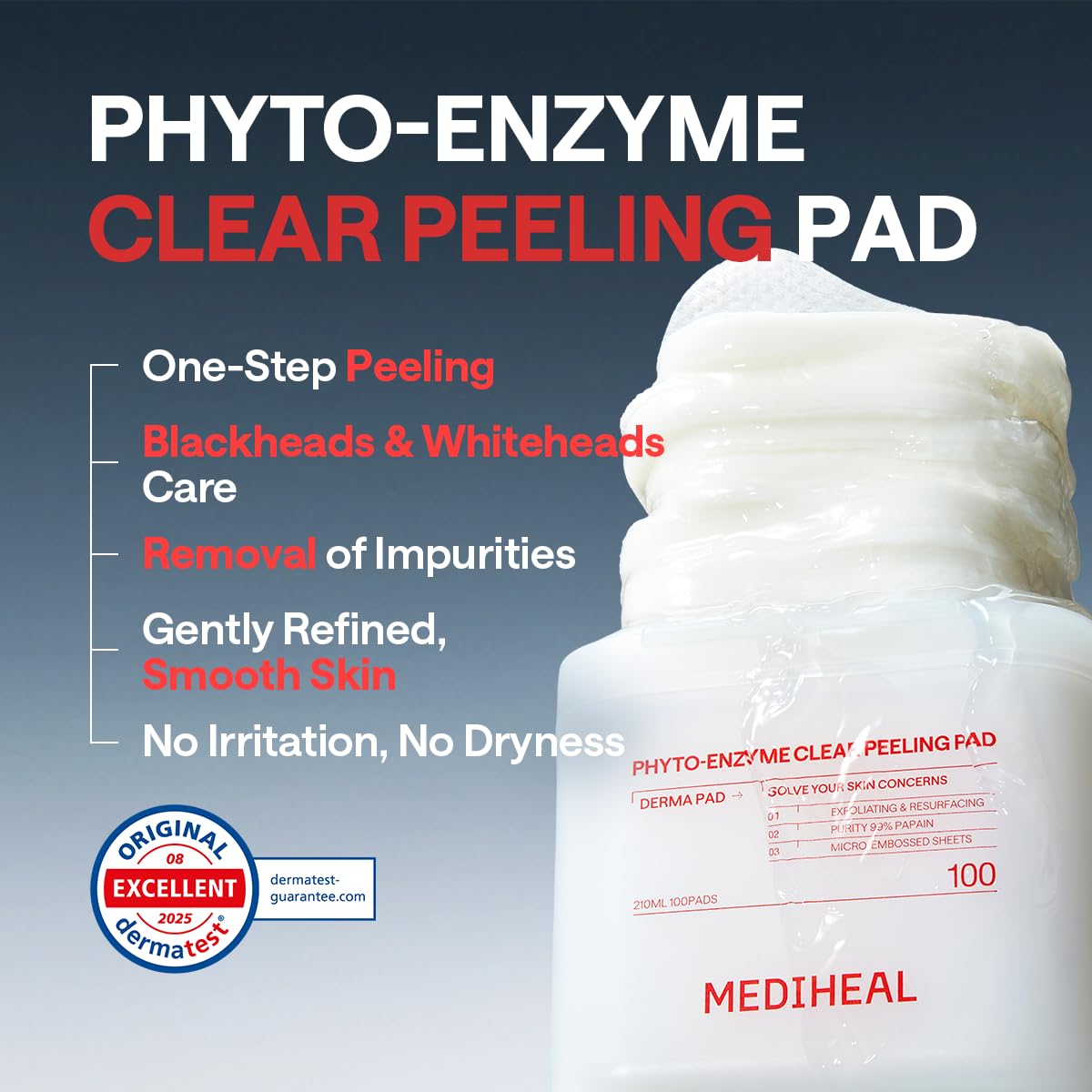 Plate 3 · Source: Amazon |
All three plates are listing-supplied product photography. No buyer photographs rendered in this capture. Source: Amazon.
06 / METHOD, EVIDENCE AND LIMITS
Method, evidence and limits
One product, captured on 14 November 2026 with the delivery address set to a United States ZIP so all prices are native USD. Four independent legs were read: the retail listing, an all-time price tracker, and two community ingredient databases. Each leg is transcribed, then compared; where two legs disagree the divergence is written out rather than averaged away. Every chart in this folio is drawn from the tables printed beside it.
How this folio was assembled
- Set the delivery context to a US ZIP before reading any price, then transcribed the listed price, list price, subscribe-and-save price, unit price, specification table, star distribution, aggregate buyer summary and aspect counts.
- Read the all-time price record for all three price types and transcribed every lowest, highest, current and average value together with its printed date.
- Located the product in each ingredient database, scored duplicate entries by exact title, source label, date and composition, and rejected near-misses by name.
- Merged the ingredient tables by material name, preserving declaration order, and classified every row into a functional class and a caution level.
- Checked each on-pack and listing claim against the merged declaration and recorded the row number that substantiates it, or the absence of one.
- Computed only labelled derivations: percentages against the capture price and shares of the declaration. No value is converted, estimated, or carried over from a different channel.
What this folio cannot tell you
- Ingredient ratings are community-database judgements, not regulatory or clinical findings. An unrated row means no data, not no risk.
- The price record publishes only all-time extremes, a current observation and an average. There is no observation-level series, so the shape of the price between dated extremes is unknown.
- The current price in the tracker is a last observation carrying its own date, not a live quote; where it is stale this folio says so.
- No review texts or buyer photographs were available, so sentiment is limited to the retailer's aggregate summary and its aspect counts.
- Declaration order is only a rough guide to concentration: below the 1 percent line the order is not regulated as a ranking.
- A community database can hold an older generation of a formula. Channel agreement is reported as agreement on the captured records, not as proof of the current pack.
Evidence folio · compiled 14 November 2026 · all figures in USD · all content in English · no source addresses reproduced in the body.