Peter Thomas Roth Instant FIRMx Eye Temporary Eye Tightener
Easy-Wear Formula, 20 ml / 0.67 fl oz
A film-forming silicate gel that tightens the under-eye for hours, not months. Read here as a formula first, a price second and a promise third.
Product information
What the listing declares, and where it declares it badly
Rating and review evidence
A bimodal distribution, and why the mean describes nobody
What the reviews say, in aggregate
That paragraph is Amazon's own machine-written summary of the review corpus, reproduced as published. It is not a quotation from a reviewer and it carries no reviewer identity, because none was collected.
Colour mapping across the five buckets: five star #D81B60, four star #FF7043, three star #F2B705, two star #2D6CDF, one star #6A2C91.
| Theme | Mentions | Positive | Negative | Positive share |
|---|---|---|---|---|
| skin tightening | 169 | 113 | 56 | 67% |
| coverage | 309 | 188 | 121 | 61% |
| disappointing | 677 | 401 | 276 | 59% |
| longevity | 196 | 112 | 84 | 57% |
| natural appearance | 240 | 83 | 157 | 35% |
| value for money | 364 | 102 | 262 | 28% |
| blendability | 159 | 45 | 114 | 28% |
| residue | 543 | 126 | 417 | 23% |
Ingredients
Thirty-two rows, no dispute between channels, and a mechanism you can see
The panel is the interesting part of this product, because it settles an argument the marketing copy only implies. Thirty-two rows, identical in the Amazon declaration and in the Skinsort record, same order, no additions, no deletions. There is therefore no formula dispute to adjudicate, only a formula to read.
INCI order is descending concentration, so position is the only concentration proxy the declaration offers. Six bands of roughly equal length turn the 32-row list into a shape.
Functional classification, assigned by role rather than by the source's single-word function field. Several ingredients carry two roles; each is counted once, under the role that explains why it is in this formula.
| Functional class | Count | Members |
|---|---|---|
| Botanical extract | 5 | Argania Spinosa Kernel Extract, Hydrolyzed Lupine Protein, Medicago Sativa Seed Extract, Foeniculum Vulgare Seed Extract, Symphytum Officinale Root Extract |
| Humectant | 4 | Butylene Glycol, Glycerin, Panthenol, Ethylhexylglycerin |
| Preservative system | 4 | Chlorhexidine Digluconate, Potassium Sorbate, Sodium Benzoate, Phenoxyethanol |
| Silicate film-former | 3 | Sodium Silicate, Sodium Magnesium Fluorosilicate, Magnesium Aluminum Silicate |
| Antioxidant / vitamin | 3 | Hesperidin Methyl Chalcone, Tocopheryl Acetate, Ascorbic Acid |
| Colourant | 3 | CI 77492, CI 77491, CI 77499 |
| Peptide | 2 | Dipeptide-2, Palmitoyl Tetrapeptide-7 |
| Surfactant / emulsifier | 2 | Sodium Cocoyl Glutamate, Steareth-20 |
| Buffer / pH | 2 | Sodium Citrate, Citric Acid |
| Rheology modifier | 2 | Carbomer, Carrageenan |
| Solvent | 1 | Water |
| Chelator | 1 | Sodium Phytate |
Reading the declaration
The three silicates sit at positions 4, 5 and 6, which makes the film-forming system the third-largest component group in the product after water, butylene glycol and glycerin. The claim and the formula agree: this is a silicate film with peptides added, not a peptide cream with silicates added.
The two peptides sit at positions 7 and 8, above the botanical block and below the silicates. That is a real position for a peptide, but the panel also shows they are the only two, and the pack copy that calls the peptide technology "potent" is describing two rows out of thirty-two.
Ascorbic acid appears at position 15, which in a water-based gel is well below any concentration at which vitamin C does meaningful work. Its presence supports the antioxidant claim on paper; the position says it is not there for efficacy. Tocopheryl acetate at 14 is the same story in a more stable form.
The preservation system is four agents rather than the usual one or two: chlorhexidine digluconate, potassium sorbate, sodium benzoate and phenoxyethanol. Chlorhexidine digluconate is a biguanide antiseptic that is uncommon in leave-on eye-area cosmetics, and its presence alongside three other preservative-type materials is a formulation choice worth noting for anyone who reacts to preserved products. Nothing here establishes that it causes the residue complaints, and the review data cannot separate the two.
Carrageenan at position 24 is the only ingredient Skinsort flags as a potential pore-clogger, graded Precautionary, and the only one carrying its three negative badges. At position 24 its concentration is low. The flag is recorded because the source records it, not because the position supports it.
Three iron oxides at positions 29 to 31 supply the sheer tint. They are why the product is opaque silver in the tube and why the pack says sheer tint rather than clear, and they are the last functional group before the final preservative.
The full declaration, in order
The full 32-row declaration in source order, coloured by functional class. This is the same sequence the pack prints at the foot of the back panel.
- 01Water
- 02Butylene Glycol
- 03Glycerin
- 04Sodium Silicate
- 05Sodium Magnesium Fluorosilicate
- 06Magnesium Aluminum Silicate
- 07Dipeptide-2
- 08Palmitoyl Tetrapeptide-7
- 09Argania Spinosa Kernel Extract
- 10Hesperidin Methyl Chalcone
- 11Hydrolyzed Lupine Protein
- 12Medicago Sativa Seed Extract
- 13Sodium Cocoyl Glutamate
- 14Tocopheryl Acetate
- 15Ascorbic Acid
- 16Panthenol
- 17Sodium Citrate
- 18Carbomer
- 19Foeniculum Vulgare Seed Extract
- 20Symphytum Officinale Root Extract
- 21Chlorhexidine Digluconate
- 22Ethylhexylglycerin
- 23Steareth-20
- 24Carrageenan
- 25Sodium Phytate
- 26Potassium Sorbate
- 27Sodium Benzoate
- 28Citric Acid
- 29CI 77492
- 30CI 77491
- 31CI 77499
- 32Phenoxyethanol
The pack directions, and what they pre-empt
The back panel is the most informative document on the listing, and it is an image rather than text, so it is not indexed by search and not reproduced in the product description. It carries a TESTED ON WOMEN AND MEN header over two before-and-after eye pairs, then the claim paragraph, then seven numbered directions, then the full declaration.
The claim paragraph names the silicate system as Firm-A-Tite, described as a blend of extra-strength skin-tightening silicates and seaweed extract, and states plainly that the effect is temporary and can last all day. It also states the product won't pill under makeup and is ophthalmologist-tested. The temporary framing is honest and it is the reason the review data is bimodal: a product that promises a few hours cannot disappoint anyone who expected a few hours, and will disappoint everyone who expected a few months.
The directions explain most of the residue complaints before a buyer opens the tube. Skin must be cleansed and patted dry, with no eye cream or moisturiser underneath, because an emollient layer prevents the film from setting. Application is a pea-sized amount on the back of the hand, taken from there with a fingertip or dry brush, spread under and around the eye and over the brow bone but not on the eyelid. A second layer goes on only while the first is still wet, and the face must stay expressionless for three to seven minutes while it cures. Leftover product is patted off with a damp cotton swab.
Read against the aspect table, those directions are a list of the ways the product fails when skipped: layering over moisturiser, applying too much, moving the face during cure, and going back over a dry layer all produce exactly the white flaking that 543 reviewers describe. That is a usage-protocol problem as much as a formula problem, and the listing does not surface the protocol anywhere except in this image.
Price
A prestige unit price, a discount that is normal here, and a secondary market that undercuts Amazon
The price history record
| Price type | Lowest ever | Highest ever | Current | Average |
|---|---|---|---|---|
| Amazon | $25.93 (Jun 23, 2026) | $39.00 (May 04, 2026) | $33.15 (Oct 22, 2026) | $34.97 |
| 3rd Party New | $19.50 (Sep 18, 2026) | $39.00 (Sep 30, 2026) | $33.15 (Oct 23, 2026) | $31.20 |
| 3rd Party Used | no data | no data | no data | no data |
All-time summary as published. The table holds five values per price type and no observation-level history. Monitoring began 2025-07-17; last scan 2026-10-23; last tracked 2026-10-28.
The listing's own unit price of $49.48 per fluid ounce checks out arithmetically against 0.67 fl oz, so this is one of the listings where Amazon's unit-price field is trustworthy. At 20 ml the tube works out to about $1.66 per millilitre, which places it firmly in prestige territory for an eye product and is the single strongest argument a buyer has against the $19-$33 spread in the price record.
Amazon's own price history shows a $38.00 list price on the tracker and a $39.00 list price on the listing. The $1.00 gap is left unreconciled rather than averaged away: the discount is 15% against the listing's figure and 12.8% against the tracker's, and both are reported.
FREE delivery Friday, November 6 on orders over $35; Prime same-day window quoted at capture
Product images
Three per row, listing imagery only
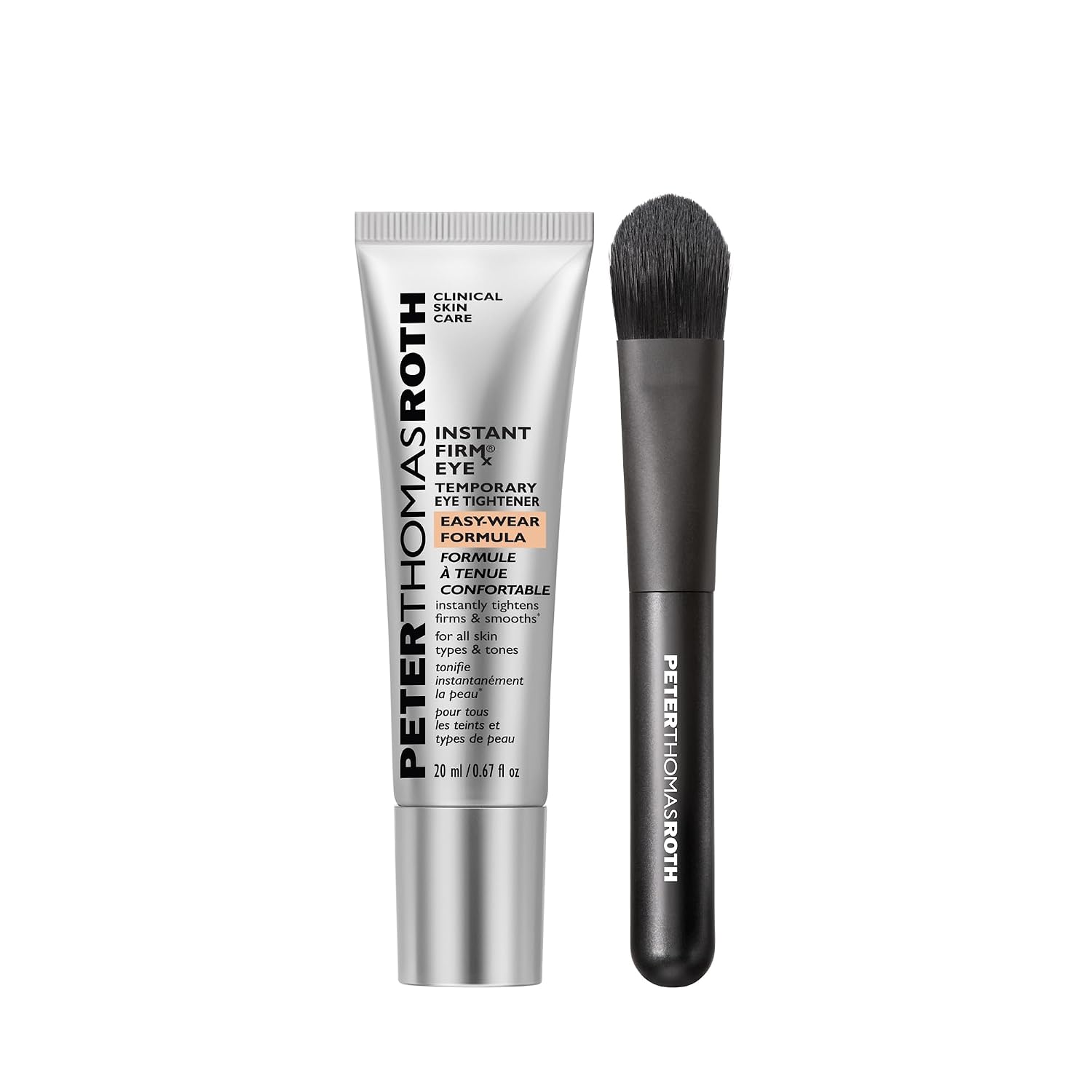
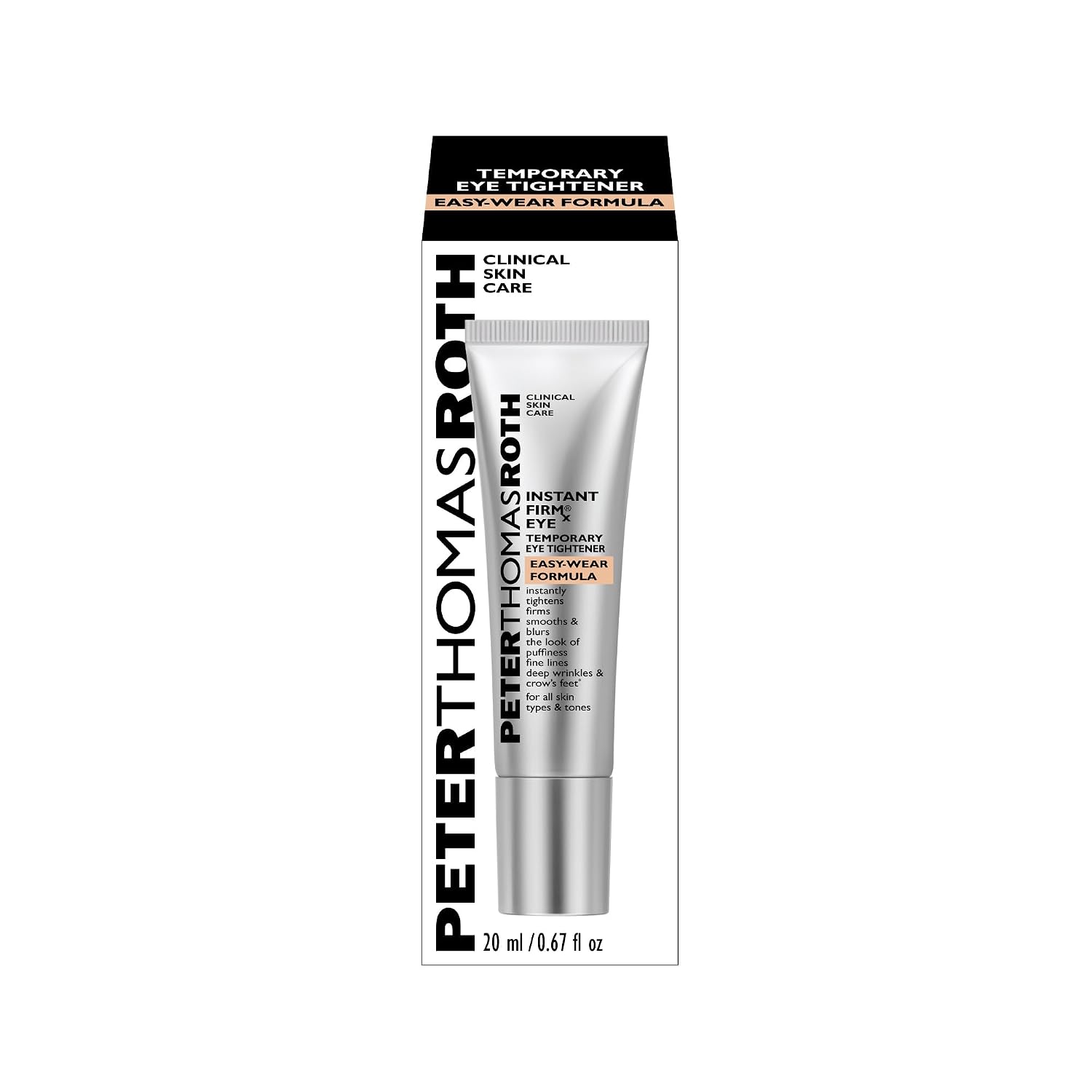
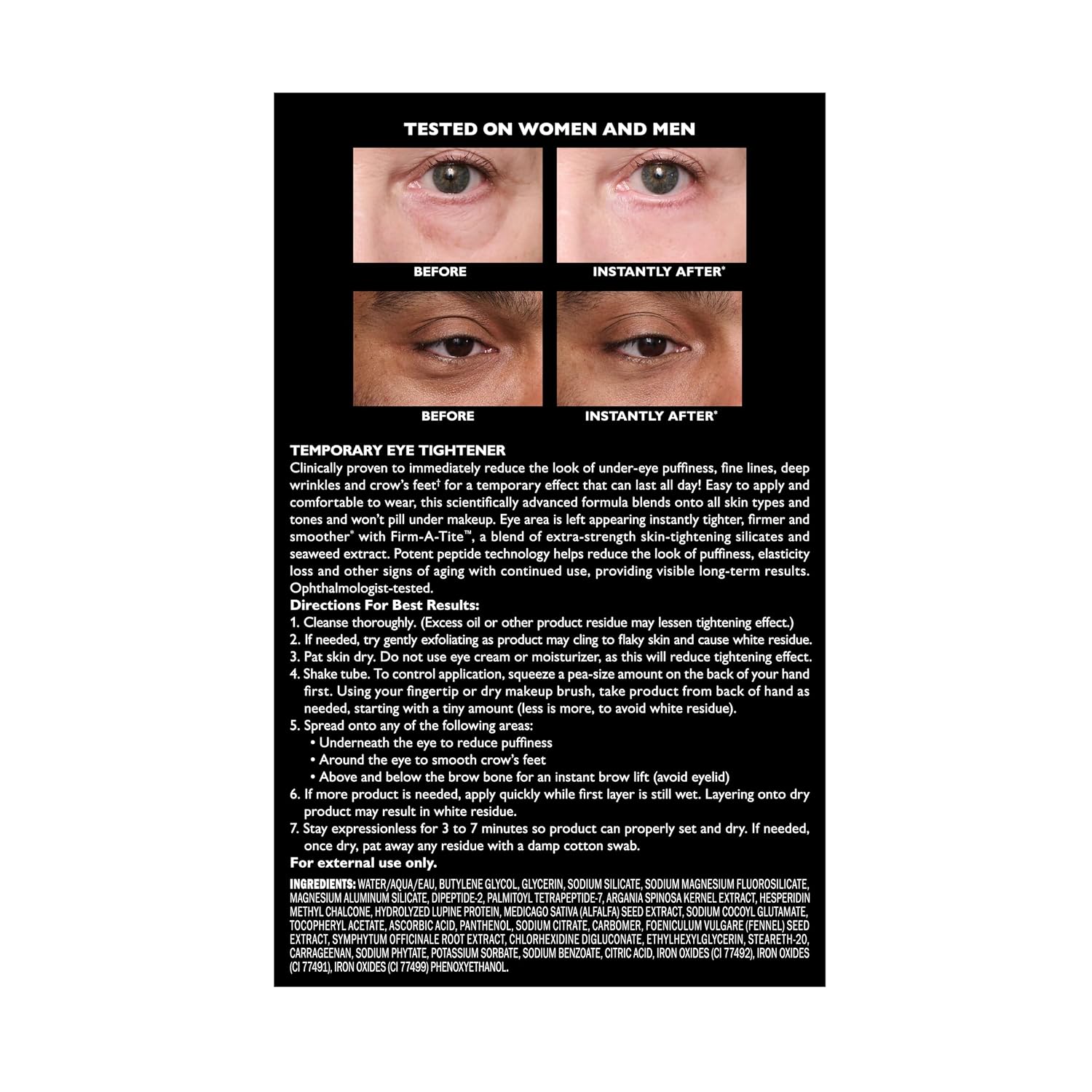
Three listing images were captured. No buyer photographs rendered for this ASIN on any page variant, so the gallery below is listing imagery only and is not presented as customer evidence.
Methodology and limits
What was measured, what was not, and how far each figure can be trusted
- MarketplaceAmazon US, delivery context New York 10001, native USD only
- Capture date2026-11-01
- Product dataProduct detail page parsed into a structured record; every figure in sections 01 and 02 traces to that record
- Price recordThird-party Amazon price tracker, all-time summary, chart window set to all
- Ingredient channelsAmazon listing declaration and Skinsort product record; COSDNA attempted and blocked
- Ingredient agreement32 rows in both available channels, identical order, no discrepancy
- Rating and aspectsAmazon aggregate rating, histogram and machine-extracted aspect table
- Review textNot obtained. No page variant returned review bodies or buyer photographs. Nothing is quoted and no review is paraphrased
- AnonymisationNo reviewer name, handle, profile link or identifier appears anywhere in this report, because no reviewer-level data was collected
Confidence by element
| Element | Confidence | Basis |
|---|---|---|
| Price at capture | High | Read from the buy box with a US delivery context |
| All-time price extremes | High | Transcribed verbatim, each with its own date |
| Ingredient declaration | High | Two independent transcriptions agree on all 32 rows |
| Functional classification | Medium | Assigned by this analysis from ingredient identity, not published by either source |
| Rating and histogram | High | Published aggregate; percentages are rounded shares |
| Aspect sentiment | Medium | Machine-extracted themes; one label contradicts its own score |
| Customer experience as described | Low | No review bodies were obtained; the qualitative layer is the aspect table and the AI summary only |
| Buyer photographs | None | Zero rendered on any page variant |
Limitations
- No review bodies were obtained on this run, from three page variants including a mobile and a retry loop. The report therefore describes what reviewers are reported to have said, not what any reviewer wrote.
- No buyer photographs rendered. The three images shown are listing imagery and are labelled as such.
- The aspect table is machine-extracted from review text and one of its eight labels, "disappointing", contradicts the direction of its own score.
- The price record holds five values per price type and no observation-level history. The path between dated extremes is unknown, and the summary does not respond to the chart window, so no figure here is period-specific.
- COSDNA was blocked at the network edge on both attempts. The absence of a COSDNA figure is a channel failure, not evidence that the product is unindexed there.
- Functional classification of the 32 ingredients is this report's judgement. The Amazon listing gives no function column for eleven of them, and Skinsort's single-word function field is not a classification.
- Metadata errors on the listing, an item weight printed in milligrams and a recommended-use field reading Face, were left as published and flagged rather than silently corrected.